


In appreciation of the importance of Oyo Yoruba culture and traditions and to alert world leaders on the urgent for conservation, the United Nations Educational,Scientific and Cultural Organisations ( UNESCO) is proposing the pronouncement of Oyo as the International Heritage Site for Yoruba Exceptional Value.
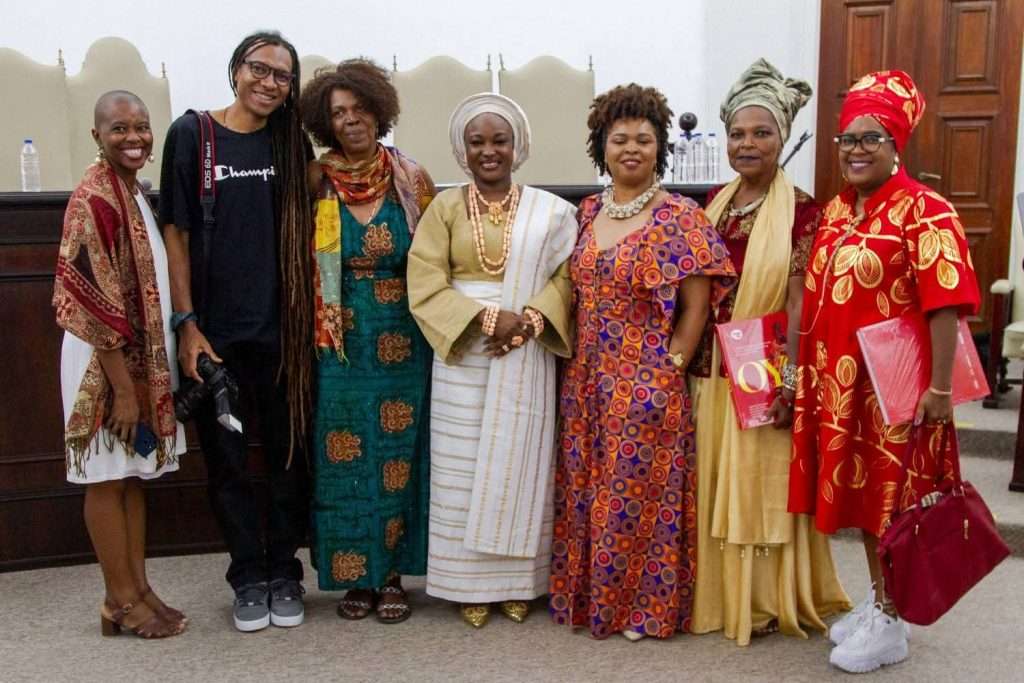
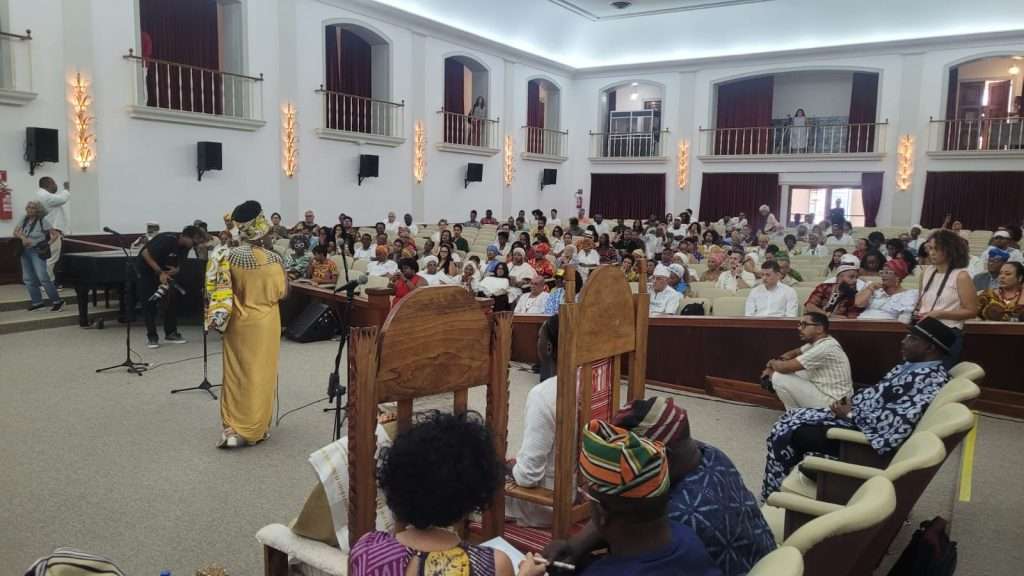
This was made known at the on- going international Conference in Brazil.
Oyo Empire was in possession of all the land. Oyo was very fast in expansion and became one of the earliest states with a central authority system.
This makes Oyo, probably the greatest of the forest states in West Africa. At the highest of its existence, having fully developed a
sophisticated internal system of government, Oyo dominated all otherYoruba kingdoms namely; Ife, Ekiti, Ijesa, Egba, Ijebu, Ondo,
Sabe and Owu. I.
It stretched into Dahomey, Togo and parts of the Ashanti in Ghana. This achievement marked a new phase in the history of the Yoruba; for it witnessed the effective transfer of power from Ile-ife to Oyo
which became the Centre of a new powerful empire with far flung cultural, political and linguistic influences..
Oyo soon became the seat of government of the Yoruba people.
Interestingly, the new identity of Oyo was diffused to all parts of Yoruba land with overwhelming adoption.
Today, the Alaafin is duty bound to stand for and in defence of
every Sango-Oyo soul either on the continent of Africa or in the Diaspora in a globalized world.
With the transatlantic slave trade, the cultural heritage of the people of Oyo and traditions of Sango settled in the Bahia, giving rise to Candomble’ Ketu or Nago tradition.
These old houses, many of which originated in the nineteeth century,
preserved the cultural heritage of the Yoruba people and led to
thousands of others that are currently spread throughout Brazil.
Because of the importance of their contributions to the formation of
African/Brazilian culture, these terraces are now protected and
safeguarded by the Brazilian Government as heritage of Brazil.
Consequently, the Bahian and Brazilian people carry in their veins
the rich, strong, virile African blood that has refused to be polluted
or diluted by many years of contact with the outside world is not an
overstatement.
Leaders of candomble’s of Yoruba origin in Bahia are not only devoted,
courageous but devotional in preserving the sacred intellectual
property and the foundation of the Yoruba knowledge system, despite
the orchestrated condemnation of its relevance.
Against this backdrop, the candomble’ communities of Bahia and the
Brazilian Government organised an International Conference celebrating the historical, cultural, and spiritual legacy of Oyo, as the most significant City of Yoruba civilization.
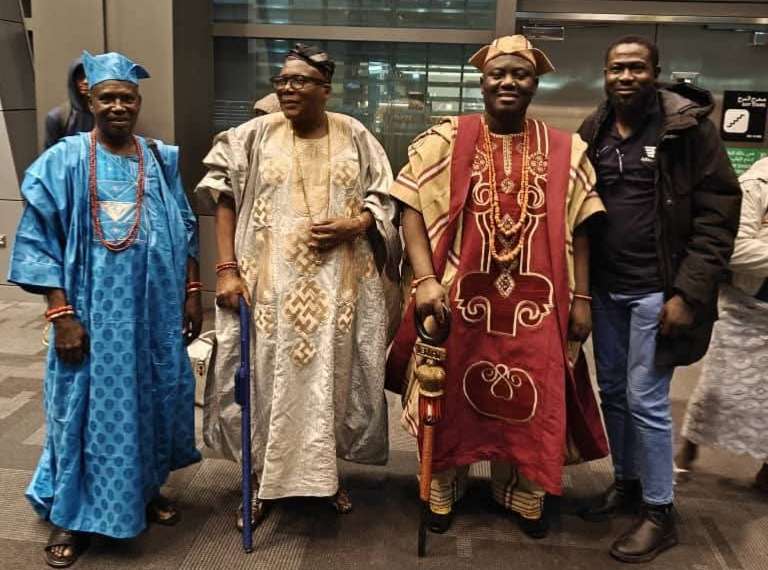
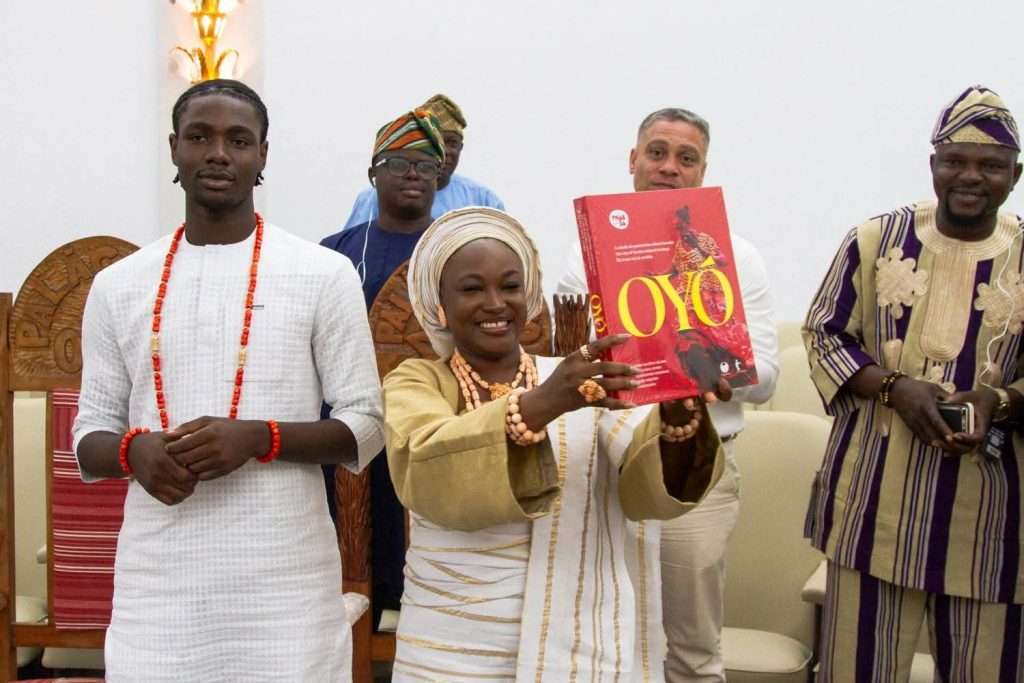
The event is being graced by His Imperial Majesty, the Alaafin and the Titan of Yorubaland, Ọba Engineer Akeem Abimbola Owoade I, the Alaafin of Oyo, alongside his entourage.
Other distinguished dignitaries expected are Representatives of the Nigerian and Brazilian governments, UNESCO, partner universities, and leading cultural institutions.
The weeklong event being held at the Noble Hall, UFBA Rectory, Salvador, Bahia, Brazil, has as its theme, “” Oyo, the Centre for Yoruba Civilization””.
Participants , including UNESCO officials admitted that Oyo culture is widely accepted and recognized.
They admitted that many of Oyo cultures , such as dressing , language, deities like egungun, ṣàngó, ọya, ọrọ just to mention but a few, are being widely practiced throughout Yorubaland.
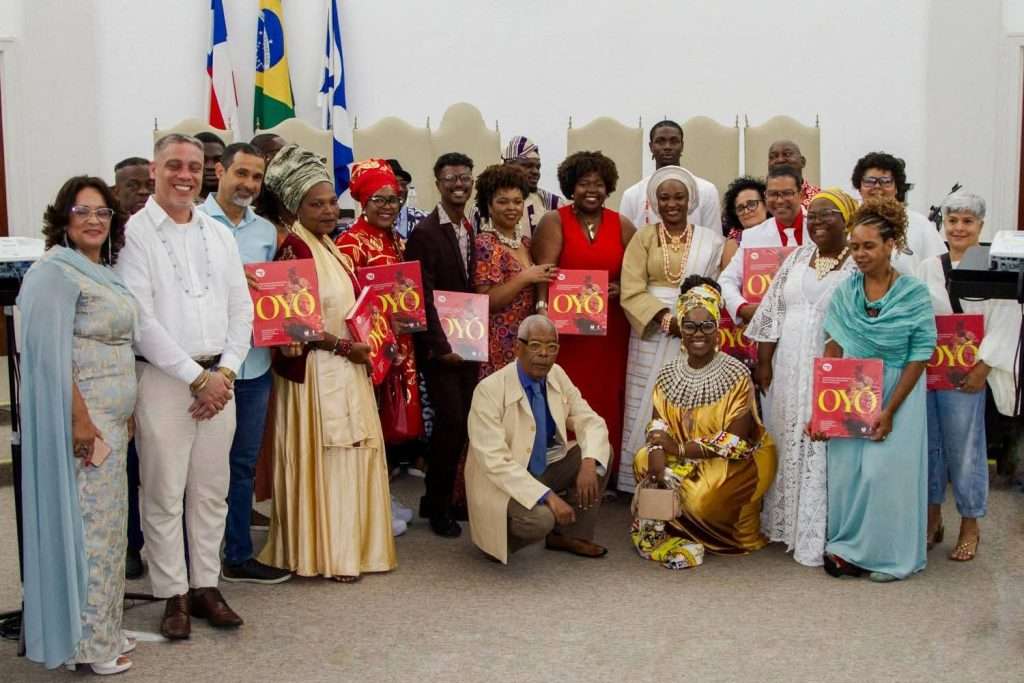
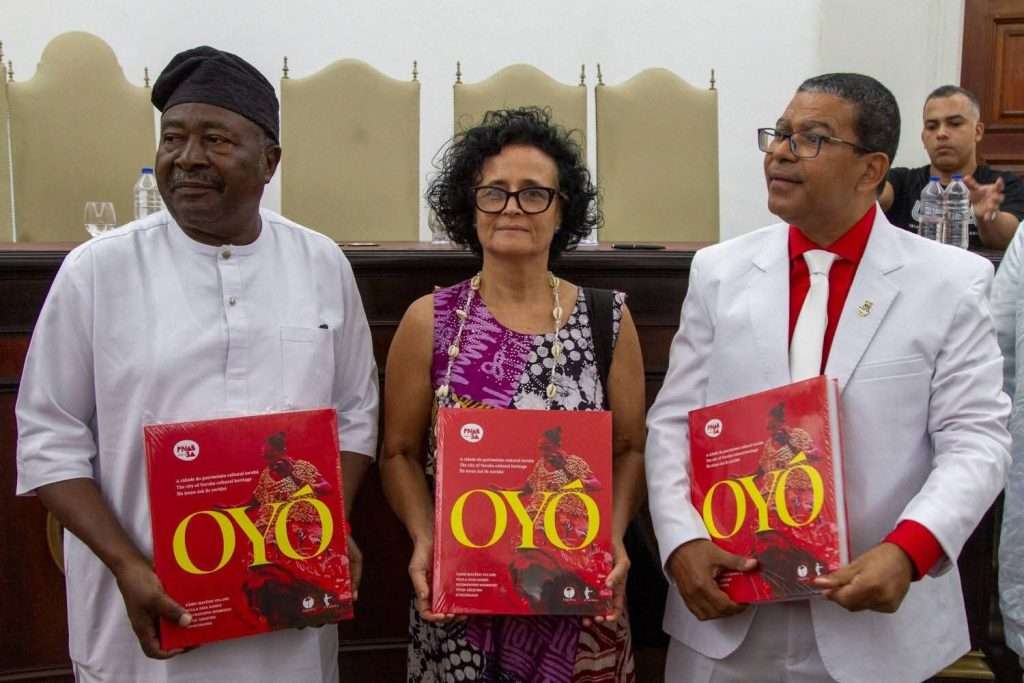
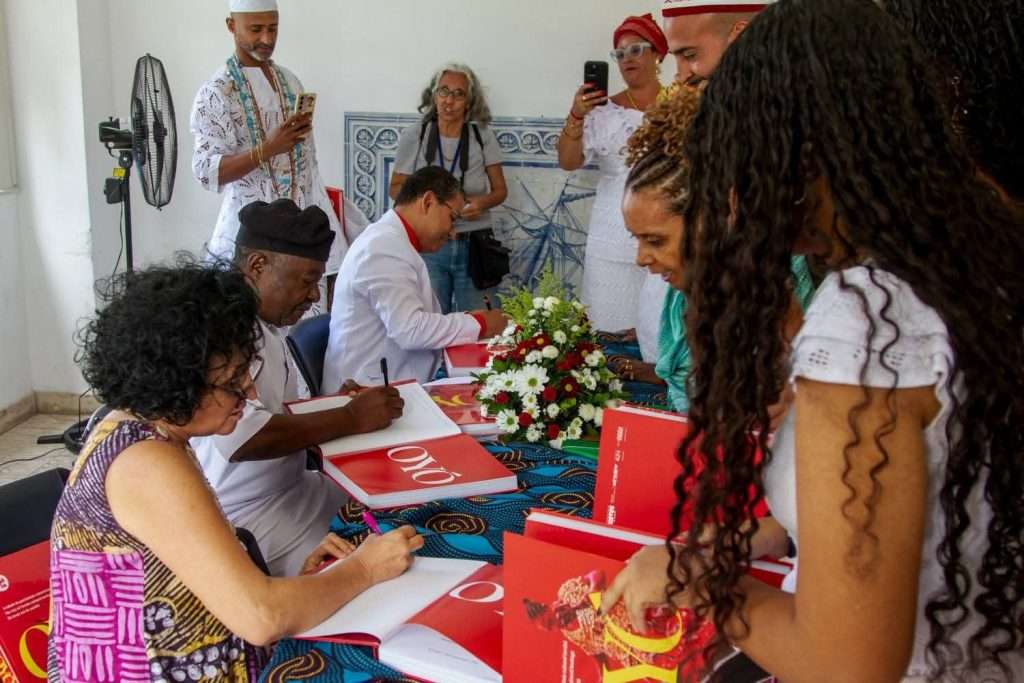
Also, a trilingual book in Yoruba, English and Portuguese languages, and with the title, Oyo, Centre For Yoruba Civilization, was launched.
Sent in by BODE DUROJAIYE , Director of Media and Publicity to the Alaafin, Paramount Ruler of Oyo Kingdom and the Superior Head of Yorubaland .