


Press Release

The Oyo State Government has intensified its campaign against open defecation, taking sanitation education to schools across the state as part of activities marking the 2026 World Toilet Day, with two local government areas already validated as Open Defecation-Free (ODF).
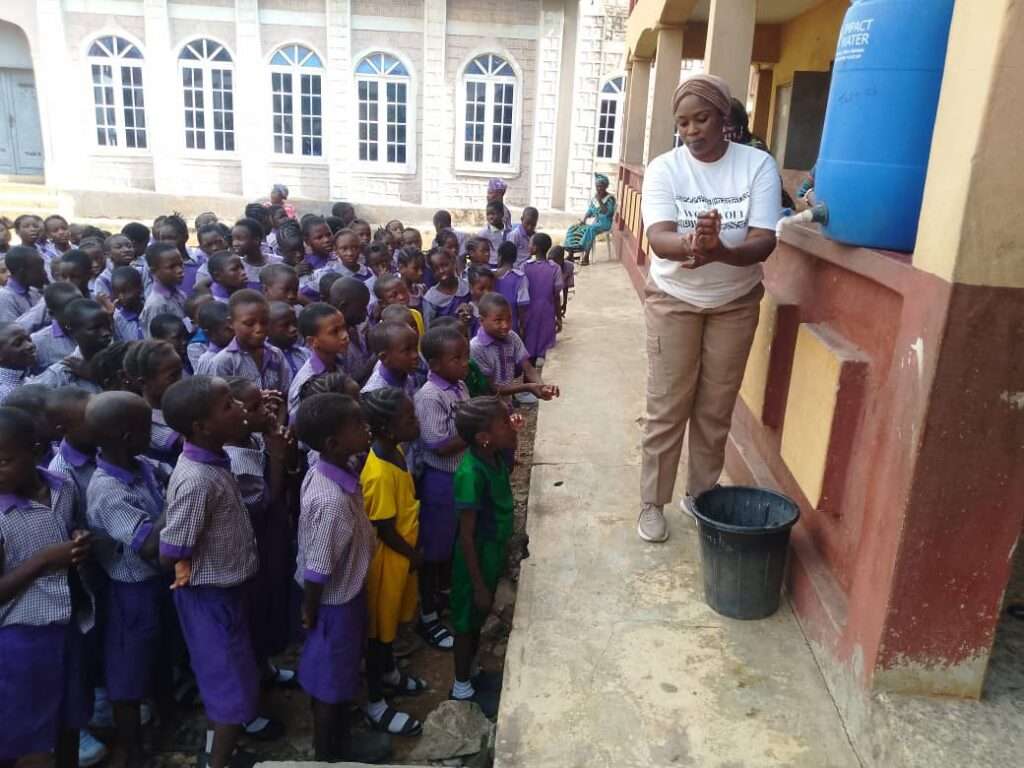
The campaign, organised by the Oyo State Rural Water Supply and Sanitation Agency (OYO RUWASSA), focused on educating pupils on proper toilet use, handwashing and the health risks associated with open defecation.
Speaking during the campaign, the Director of Sanitation, Mrs Oyebamiji Abimbola, disclosed that Ona-Ara and Egbeda Local Government Areas had been validated as ODF, expressing confidence that Oyo State would achieve an open-defecation-free status by 2028.

She said the state government was strengthening advocacy, community engagement and public enlightenment, while urging traditional rulers, local government chairmen and community leaders to take ownership of the campaign.
Oyebamiji also stressed the importance of providing safe, hygienic and private toilet facilities for both boys and girls, noting that inadequate sanitation facilities, particularly in schools, often expose female students to difficulties managing menstrual hygiene and sometimes force them to miss classes.
She disclosed that only about 53 per cent of Oyo State’s estimated nine million residents had access to at least one toilet facility, warning that poor sanitation contributes to the spread of cholera, diarrhoea and other waterborne diseases.
She also noted that the state had signed its roadmap to end open defecation in 2022, with 2028 set as the target year.
The director called for collective action by government, households and communities, urging residents to provide functional toilet facilities and embrace proper hygiene practices.
She added that school-based sensitisation was designed to instil good sanitation habits in children and encourage them to spread the message within their families and communities.