
By Richard Thomas

The National Commission for Museums and Monuments (NCMM), National Museum of Unity, Aleshinloye, Ibadan, Oyo State, has called for concerted efforts to preserve and transmit Yoruba culture and traditions to younger generations.

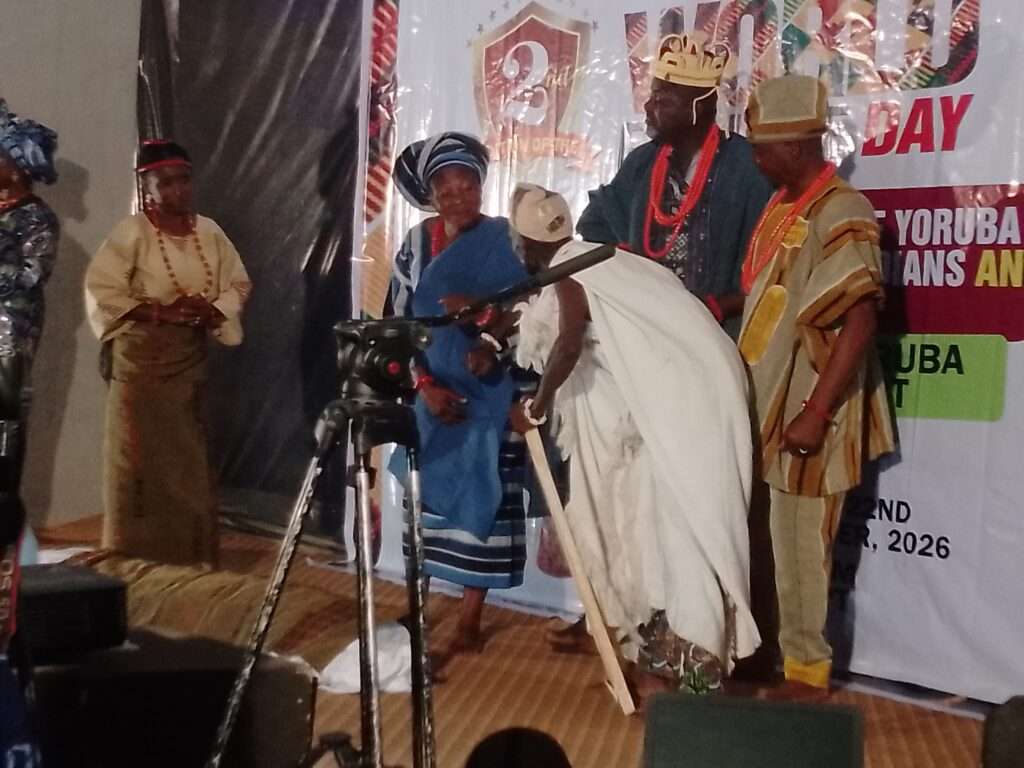
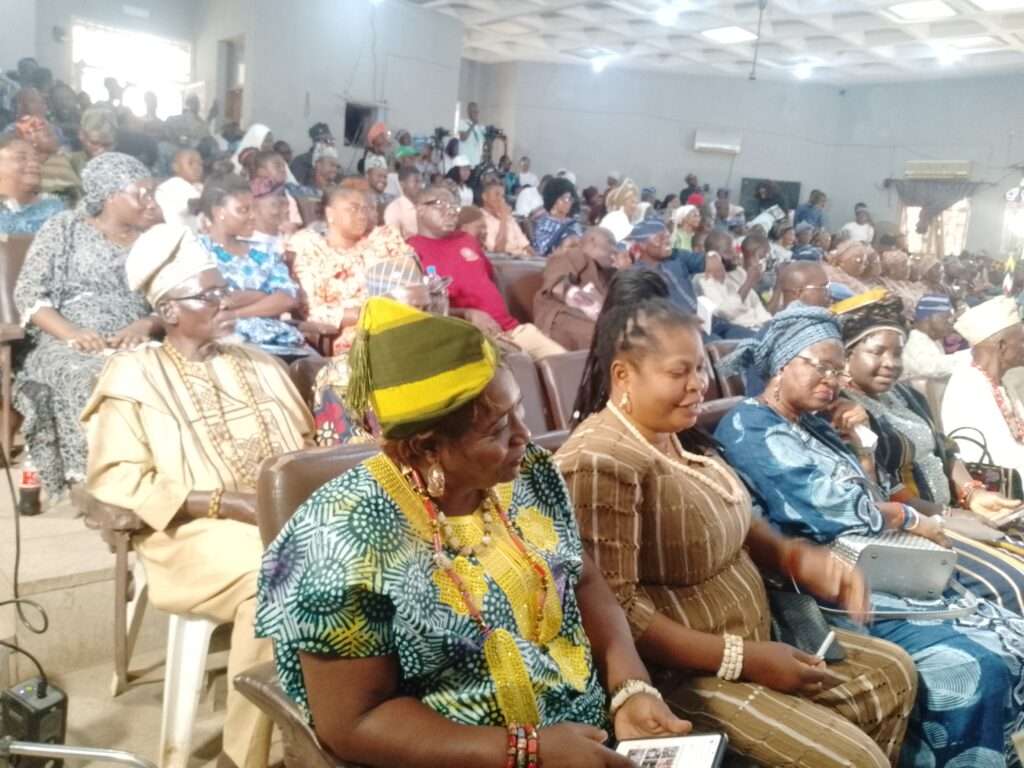
The call was made at the second edition of World Folklore Day 2026, held on Tuesday, September 22, 2026 at the Alado of Ado Awaye Hall of the National Museum of Unity, Aleshinloye, Ibadan.
Speaking at the occasion, the Managing Curator of the National Museum of Unity, Mrs Oriyomi Pamela Otuka, who officially declared the programme opened described the museum as a custodian of collective memory, stressing that cultural preservation should extend beyond physical objects to include intangible heritage such as songs, dances, folktales, oral traditions, festivals, languages, traditional knowledge, craftsmanship and indigenous food traditions.
According to her, folklore remains one of the important ways through which communities transmit knowledge, values and wisdom from one generation to another.
She recalled the traditional practice of elders gathering children to tell stories, noting that such stories often carried important lessons about wisdom, patience, courage, integrity, contentment and social responsibility.
Using the familiar stories of the lion and tortoise as an example, Otuka said folklore teaches that physical strength is not the only form of power, as wisdom, patience, intelligence and understanding are also important qualities.
She stressed that while a child might forget a lecture, a well-told story could remain in the child’s memory for decades.
The Managing Curator further explained that folklore should not be confused with proverbs, noting that folklore encompasses a broader range of traditional knowledge, including folktales, legends, myths, songs, dances, riddles, customs, beliefs and oral traditions.
She said the museum had a responsibility to create platforms through which cultural practitioners could transmit their knowledge and make indigenous heritage attractive to younger generations.
The Managing Curator stressed that museums must serve as a bridge between the past, present and future, noting that the stories, songs, dances and traditions preserved today could become valuable resources for future generations.
She urged Nigerians to take pride in their cultural heritage and support efforts to ensure that indigenous traditions do not disappear.
Otuka also emphasized that the responsibility of protecting cultural heritage should be collective efforts of every member of museum staff, including archaeologists, ethnographers, educators, conservators, administrators, public relations officers and security personnel, had a role to play in safeguarding heritage.
She described the World Folklore Day celebration as “cultural preservation through participation,” noting that the programme provided a living museum experience through folktales, oral poetry, traditional dances and drumming, traditional music, hairstyling, dressing and traditional cuisine.
She also commended the initiative of the coordinator, Dr. (Mrs.) Olatunde Caroline Oluyemi, Deputy Director of Education at the National Museum of Unity, for creating a platform for the celebration and recognition of Yoruba culture custodians and promoters.
In her remarks, Dr. (Mrs) Olatunde Oluyemi said the programme was aimed at safeguarding the culture and traditions of the people, stressing that culture was essential to the identity and continuity of every society.
She explained that culture could be broadly divided into tangible and intangible heritage, with the latter including praise poetry, cognomen, proverbs, taboos, drumming, dancing and folktales.
Oluyemi expressed concern that some of these cultural values were gradually being lost, particularly as many young people could no longer recite their cognomen or identify some traditional values and practices.
She said the celebration was designed not merely as an entertainment programme but as an avenue to preserve collective memory, transmit indigenous knowledge and strengthen cultural identity.
She therefore urged parents, schools and members of the public to encourage children and young people to learn and practise their culture and traditions.
She also called for stronger collaboration between the public and the museum through public-private partnerships, stressing that collective efforts were required to promote cultural preservation and sustain the activities of the institution.
The occasion also featured members of the Yoruba film industry, including Kayode Olaiya, popularly known as Aderupoko; Fokoko; Alhaji Gboyega Lawal, the Oguntoye twins and others.
A Yoruba-language playlet titled “Aja Osupa”, alongside other cultural presentations and side attractions, added entertainment and educational value to the event.
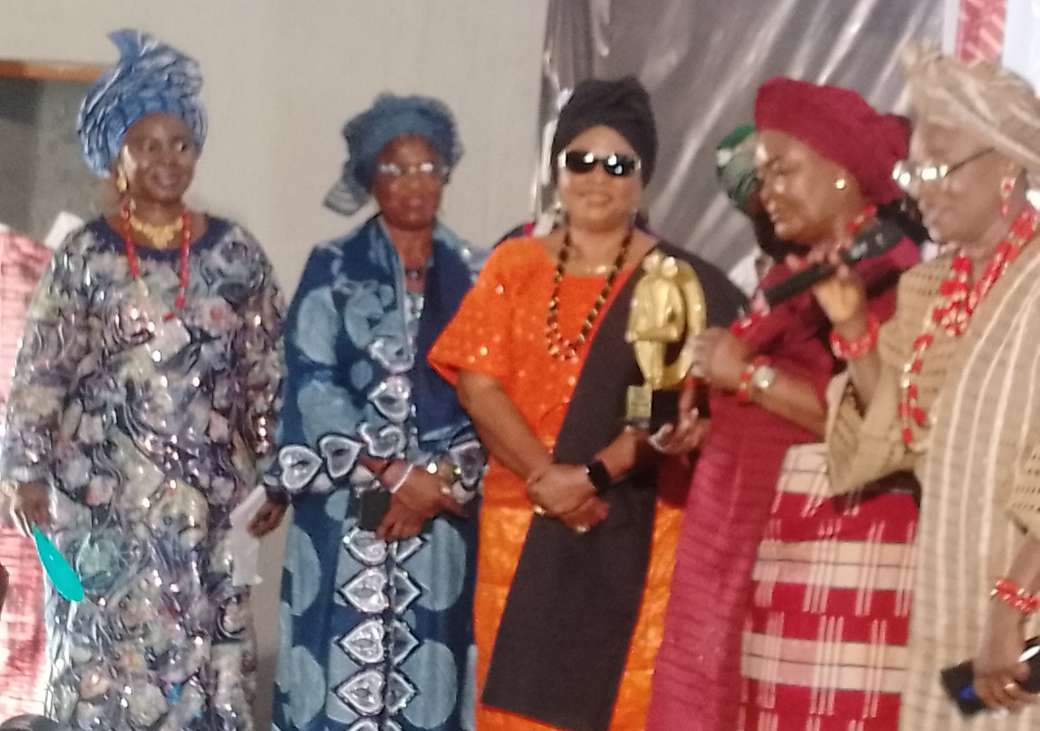
The programme also featured the presentation of awards to traditional rulers and other distinguished personalities, including His Imperial Majesty, Oba Senator Rashidi Adewolu Ladoja, Arusa I, the Olubadan of Ibadanland, as well as other royal fathers from across the South-West. Dr. Ayoola Oluyemi was among notable personalities that graced the occasion.
The event attracted traditional rulers, culture custodians, enthusiasts, academics, students, teachers, members of the Yoruba film industry and other dignitaries who gathered to celebrate Yoruba folklore, traditions and cultural heritage.