
Nigeria today stands at a painful crossroads where the promises of democracy have been overshadowed by the harsh realities of insecurity, economic hardship, and widespread fear. What was once presented to the Nigerian people as a noble political struggle for development, justice, and prosperity has gradually revealed itself as a vanity project for many within the political class—an endless contest for power without a corresponding commitment to the welfare and safety of the citizens.

For decades, Nigeria’s political elite have engaged in fierce battles for control of government institutions. Elections have been fought with enormous financial resources, propaganda, and intense rivalry. Yet, beneath the noise of political campaigns and party slogans lies a tragic truth: the political struggle has too often been about who controls the state, not how the state serves the people.

A Nation Under Siege
Across Nigeria today, insecurity has become a daily reality. From banditry and kidnapping to terrorism, communal clashes, and violent criminal networks, citizens now live with a constant sense of vulnerability. Farmers fear going to their farms. Traders fear traveling along highways. Students fear attending schools in certain regions. Communities that once lived peacefully now sleep with one eye open.
This frightening situation did not appear overnight. It is the cumulative result of years of poor leadership, weak institutions, corruption, and political negligence. Many leaders who were entrusted with the responsibility of protecting lives and property allowed security structures to deteriorate while they focused on maintaining political power.
The truth Nigerians must confront is uncomfortable: insecurity has flourished because governance has failed.
The Political Class and the Collapse of Trust
A responsible political class should inspire confidence and offer solutions during times of crisis. Unfortunately, the Nigerian political establishment—across several administrations and parties—has often responded to insecurity with rhetoric instead of reform.
Budgetary allocations for security have increased significantly over the years, yet insecurity continues to spread. This paradox raises serious questions about accountability, transparency, and the effectiveness of current strategies.
The credibility of many political actors has also suffered because citizens increasingly perceive that political interests frequently override national interests. When political leaders prioritize personal networks, patronage systems, and electoral calculations over genuine governance, the result is predictable: weakened institutions and a nation vulnerable to instability.
Nigeria’s insecurity problem is therefore not merely a security issue—it is a leadership crisis.
Socio-Economic Consequences
The impact of insecurity has gone far beyond safety concerns. It has crippled the nation’s economic and social foundations.
Agriculture, which employs millions of Nigerians, has been severely affected as farmers abandon fertile lands due to attacks. Food production has declined in several regions, contributing to rising food prices and inflation.
Businesses face higher operational risks, discouraging investment and slowing economic growth. Tourism and local commerce have suffered. Even transportation has become dangerous on many major highways.
Beyond economics, insecurity has deeply affected the psychological well-being of citizens. Families mourn loved ones lost to violence. Communities live with trauma. Children grow up surrounded by fear instead of hope.
A society cannot flourish when its citizens are constantly worried about survival.
The Vanity of Endless Political Competition
The tragedy of Nigeria’s situation lies in the contrast between the intensity of political competition and the weakness of governance outcomes. Political actors expend enormous energy fighting for positions, yet once power is secured, many fail to deliver the leadership necessary to address fundamental national challenges.
Politics becomes a stage for rivalry, not responsibility.
The vanity of this struggle becomes obvious when ordinary Nigerians—those who bear the true consequences of insecurity and economic hardship—see little improvement regardless of which faction wins power.
What Nigerians Must Consider Toward 2027
As the nation moves gradually toward the 2027 elections, Nigerians must begin to rethink the purpose of political participation. Elections should not merely be periodic contests among familiar political actors; they must become opportunities for national correction and renewal.
Several critical considerations must guide the choices of voters:
- Demand Character and Competence
Nigeria must move beyond personality politics and empty slogans. Voters should evaluate leaders based on proven competence, integrity, and a clear track record of service. - Strengthen Institutional Accountability
Institutions responsible for security, justice, and governance must operate independently and transparently. Citizens should demand reforms that improve oversight, professionalism, and efficiency. - Support Leaders with Clear Security Strategies
Campaign promises must include practical plans for improving intelligence coordination, modernizing security infrastructure, and strengthening community-based safety systems. - Reject the Politics of Patronage
Nigeria’s political culture has long rewarded loyalty over merit. Citizens must begin to support leadership that prioritizes national development rather than narrow political networks. - Encourage Civic Participation Beyond Elections
Democracy does not end at the ballot box. Active civic engagement, public accountability, and citizen advocacy are necessary to ensure that elected leaders remain responsive to the people.
A Call for National Renewal
Nigeria possesses enormous human and natural resources. Its people are resilient, creative, and determined. Yet no nation can achieve its full potential while insecurity undermines the confidence of its citizens.
The political class must recognize that leadership is not a privilege but a responsibility. Power without accountability erodes legitimacy, and governance without compassion destroys public trust.
The struggle for political power should never overshadow the ultimate goal of leadership: the protection, dignity, and prosperity of the people.
If Nigerians approach the coming years with greater awareness, stronger civic courage, and a commitment to electing credible leadership, the country can begin to reverse the current trajectory.
The future of Nigeria will not be decided solely by politicians—it will be shaped by the collective determination of its citizens to demand better governance.
Only then will the vanity of political struggle give way to the purpose of national progress.
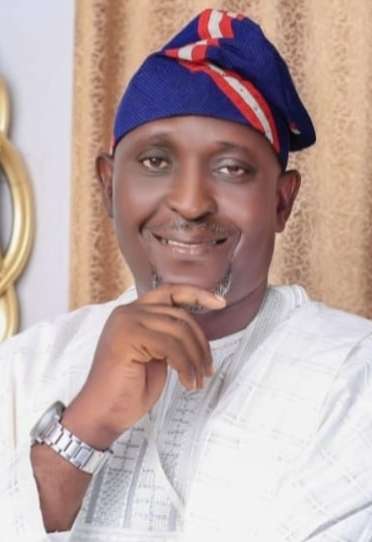
Ayo Akinyemi is Chairman Contact and Mobilization Committee, ADC oyo state.